
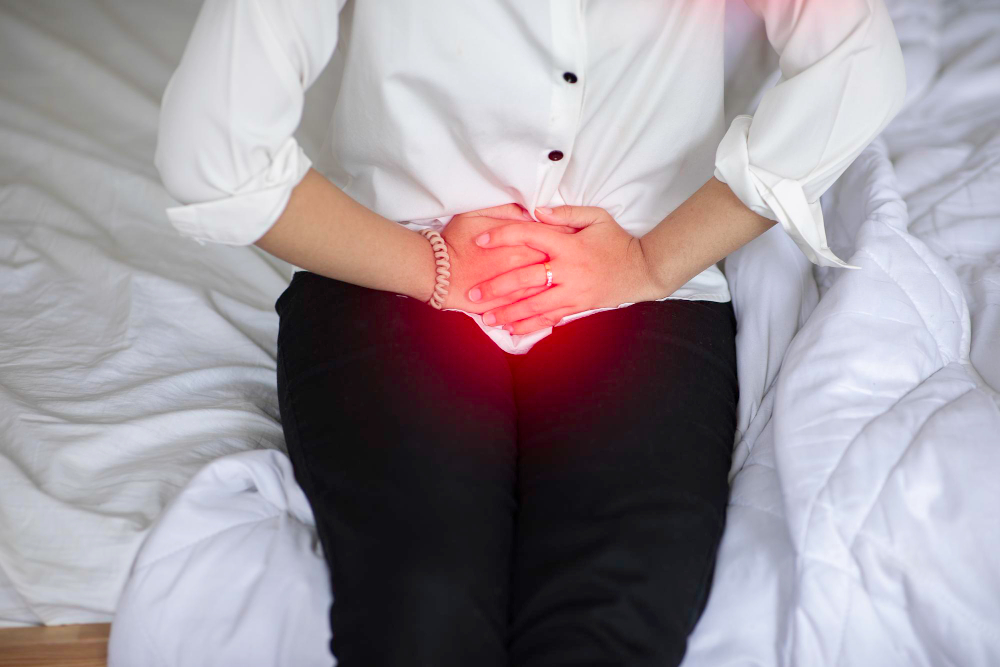
What Is a Burning Sensation During Urination?
Many people feel worried when they notice a burning sensation during urination. This symptom, sometimes called dysuria, can make daily life uncomfortable. Often, people think of infections first. However, there are many non-infectious causes of painful urination. For example, you might wonder, “Why does it burn when I pee without infection?” Understanding urology symptoms like this can help you know what to do next. In cities like New York and Los Angeles, many clinics see patients with these concerns every day.
Common Non-Infectious Causes
Not all burning during urination comes from an infection. In fact, several other reasons can lead to this feeling. Below are some common non-infectious causes:
How Urologists Diagnose the Cause
First, a urologist will ask about your symptoms and medical history. They may check if you use new hygiene products or have changed your diet. Next, they might perform a physical exam. Sometimes, they will order urine tests to rule out infection. If needed, they may suggest imaging tests like an ultrasound. In some cases, they use a small camera to look inside the bladder. This careful approach helps find the exact cause. According to the CDC, a clear diagnosis is important for proper treatment.
Treatment Options for Non-Infectious Causes
Treatment depends on the cause. For example, if soaps or products cause irritation, stopping their use often helps. If dehydration is the reason, drinking more water can ease symptoms. When kidney stones are present, doctors may suggest pain relief or procedures to remove them. For medication side effects, your doctor may adjust your prescription. Dietary triggers can be managed by avoiding certain foods. If physical injury is the cause, rest and gentle care often help the body heal. In every case, your healthcare provider will guide you.
Lifestyle Tips to Reduce Discomfort
There are simple steps you can take at home to feel better. For instance, always drink enough water throughout the day. Try to avoid harsh soaps or scented hygiene products. Additionally, limit foods and drinks that can irritate your bladder, such as spicy foods and caffeine. Wearing loose-fitting clothing can help reduce irritation. After exercise or sexual activity, gentle cleaning with water is best. These tips can make a big difference in daily comfort.
When to See a Doctor
Sometimes, a burning sensation during urination needs medical attention. If you notice blood in your urine, severe pain, or fever, see a doctor right away. Also, if symptoms last more than a few days or keep coming back, it is wise to get checked. In busy cities like Chicago or Houston, many clinics offer same-day visits for urology symptoms. Early care can help prevent problems from getting worse. The World Health Organization recommends seeking help if you are unsure about your symptoms.