
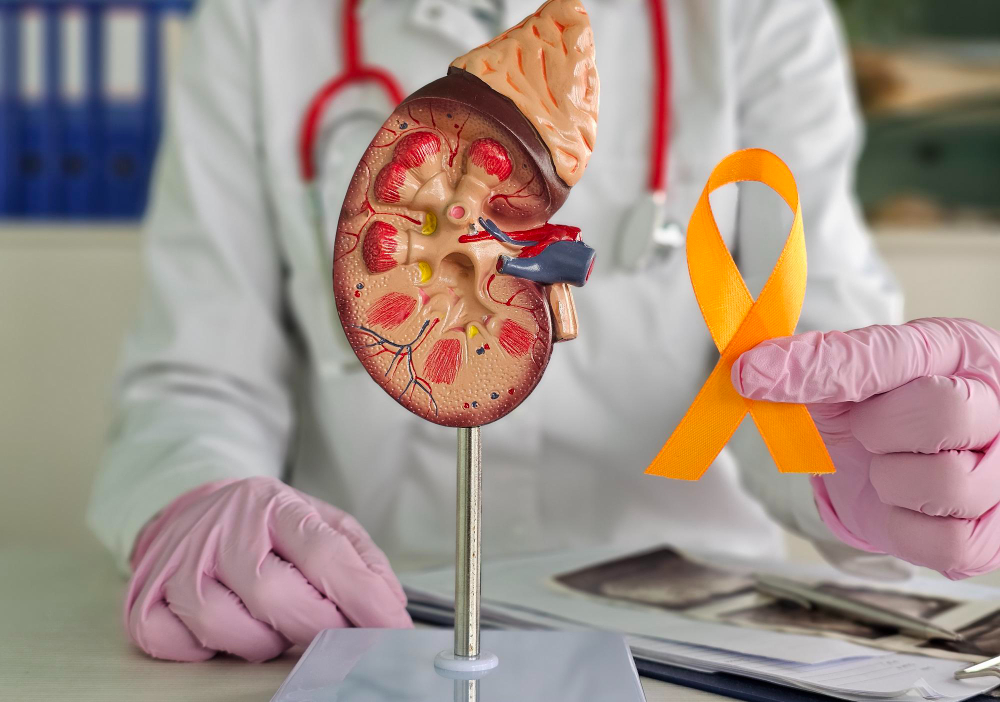
What Is Kidney Cancer?
Kidney cancer starts in the kidneys, which are two bean-shaped organs. These organs help filter waste from your blood. Sometimes, cells in the kidney grow out of control. This can form a lump called a tumor. Most kidney cancers begin in the lining of small tubes inside the kidney. This type is called renal cell carcinoma. Although kidney cancer is not as common as some other cancers, it is important to know the signs. Early detection can make treatment easier and more effective.
Why Early Detection Matters
Early detection of kidney cancer can save lives. When found early, kidney cancer is easier to treat. In fact, the chances of a full recovery are much higher. However, many people do not notice symptoms until the cancer has grown. For this reason, knowing the early signs is very important. If you notice changes in your body, you should act quickly. Early action can make a big difference in your health.
Early Signs and Symptoms of Kidney Cancer
Kidney cancer may not cause symptoms at first. But as it grows, you may notice some changes. Here are early signs you should not ignore:
Sometimes, these symptoms can be caused by other health problems. However, it is important not to ignore them. For example, blood in your urine is a key warning sign. Even if it happens once, you should tell your doctor. Likewise, ongoing pain or a lump in your side should be checked. Early symptoms may be mild, but they are important.
When to See a Doctor
If you notice any of the signs above, you should see a doctor soon. Even if the symptoms seem minor, it is better to be safe. For instance, if you see blood in your urine, do not wait. Also, if you have pain in your side that lasts more than a few days, get it checked. Your doctor can help find the cause and suggest the next steps. Early visits can help catch kidney cancer before it spreads.
Diagnosis and Next Steps
When you visit your doctor, they may ask about your symptoms and health history. Next, they may order tests such as:
If a tumor is found, your doctor may suggest a biopsy. This means taking a small sample of tissue to check for cancer cells. After diagnosis, your doctor will talk about treatment options. These may include surgery, medicine, or other therapies. Early diagnosis gives you more choices and a better chance for recovery.
Prevention and Lifestyle Tips
While not all kidney cancers can be prevented, you can lower your risk. Here are some helpful tips:
These steps can help protect your kidneys and overall health. Even small changes can make a difference over time.
These organizations offer up-to-date and reliable information. They can help you understand more about kidney cancer and its early signs.
If you notice any early signs of kidney cancer, consult Dr. Adinarayana Balagolla for personalized advice.