
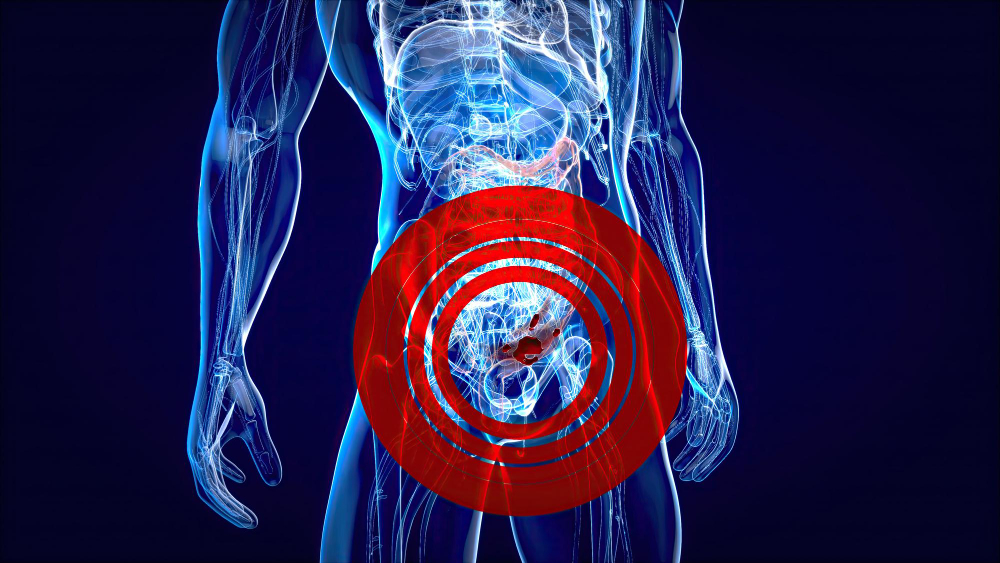
What is BPH?
BPH stands for Benign Prostatic Hyperplasia. It is a common condition in older men. In BPH, the prostate gland becomes larger than normal. This is also called an enlarged prostate. The prostate is a small gland below the bladder. It helps make fluid for semen. As men age, the prostate can grow. This growth is not cancer. However, it can cause problems with urination. Because BPH is so common, many men will face it as they get older.
Common Symptoms of BPH
BPH can cause several urinary symptoms. These symptoms often get worse over time. However, not everyone will have all of them. Some common signs include:
Sometimes, these symptoms can affect daily life. For example, waking up many times at night can cause tiredness. If you notice these signs, it is important to talk to your doctor.
Causes and Risk Factors
Although the exact cause of BPH is not fully known, several factors can increase the risk. As men age, hormone changes may lead to prostate growth. In addition, family history can play a role. Some common risk factors include:
Because these risk factors are common, many men may develop BPH. However, not all men with risk factors will get it.
How is BPH Diagnosed?
Doctors use several steps to diagnose BPH. First, they ask about your symptoms and medical history. Next, they may do a physical exam. Often, a doctor will check the prostate by feeling it through the rectum. In addition, tests may include:
Because symptoms of BPH can be like other problems, these tests help find the right cause. Early diagnosis can lead to better treatment.
Treatment Options for BPH
Treatment for BPH depends on how severe the symptoms are. Sometimes, mild cases need only regular check-ups. However, if symptoms bother you, several options are available:
Your doctor will help choose the best treatment for you.
Lifestyle Tips for Managing BPH
There are simple steps you can take to manage BPH symptoms. For example, you can:
Because small changes can make a big difference, try these tips daily. If symptoms get worse, let your doctor know.
Prevention and When to See a Doctor
Although you cannot always prevent BPH, healthy habits may lower your risk. For instance, staying active and eating well can help. However, if you notice urinary symptoms, do not ignore them. See a doctor if you:
Conclusion
BPH is common with age, but its symptoms don’t have to disrupt your daily life.
Early diagnosis can help prevent complications and improve urinary comfort.
With the right treatment, better bladder health and quality of life are possible.
Don’t ignore persistent urinary changes—seek expert medical guidance.
Consult Dr. Adinarayana Balagolla for expert evaluation and personalized BPH treatment.