
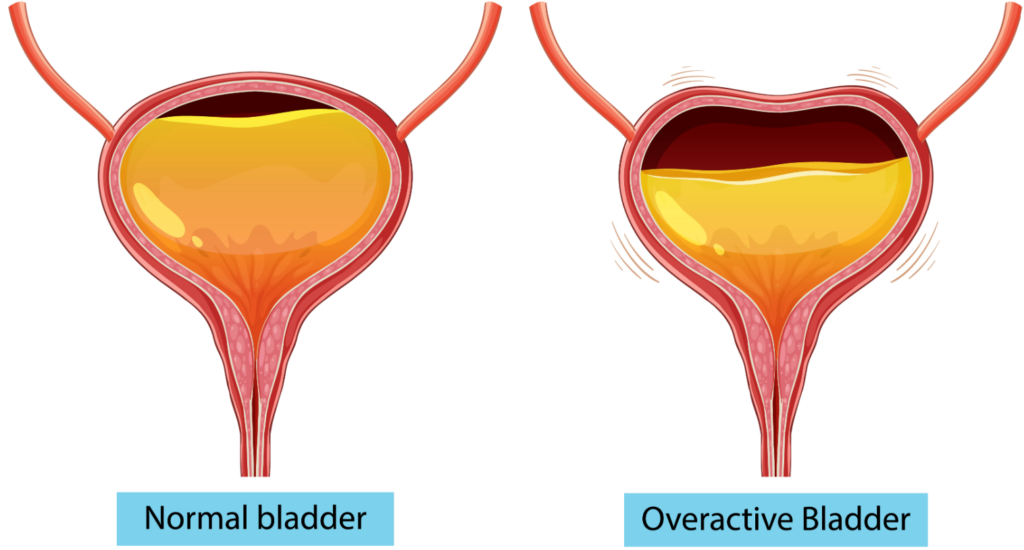
What Is Overactive Bladder?
Overactive bladder is a health condition that makes you feel a sudden urge to urinate. This urge can be hard to control. Often, people with overactive bladder may leak urine or need to use the bathroom many times during the day and night. Because this condition affects daily life, it is important to understand its symptoms and treatment options. Overactive bladder can happen to anyone, but it is more common as people get older.
Common Symptoms
Many people with overactive bladder notice changes in their bathroom habits. For example, you may feel the need to urinate more often. Below are common overactive bladder symptoms:
Sometimes, these symptoms can be mild. However, they can also be severe and affect your daily life. If you notice these signs, it is wise to talk to a doctor.
Causes and Risk Factors
There are many reasons why someone may develop overactive bladder. In many cases, the exact cause is not clear. However, several factors can increase your risk:
In addition, drinking too much caffeine or alcohol can make symptoms worse. Sometimes, certain medicines may also play a role. Because many factors can cause overactive bladder, it is important to get a proper diagnosis.
How Overactive Bladder Is Diagnosed
Doctors use several steps to diagnose overactive bladder. First, they will ask about your symptoms and medical history. Next, you may be asked to keep a bladder diary. This means writing down how often you urinate and any leaks. In some cases, your doctor may do a physical exam or urine tests. These tests help rule out infections or other problems. Sometimes, more tests like an ultrasound or a special bladder test (urodynamics) are needed. With these steps, your doctor can find the best treatment for you.
Treatment Options
There are many treatment options for overactive bladder. The right choice depends on your symptoms and health. Here are some common treatments:
Often, a mix of these treatments gives the best results. Your doctor will help you choose what works best for you.
Lifestyle Tips and Prevention
Even though overactive bladder can be challenging, there are ways to manage it. For example, making small changes in your daily routine can help. Here are some bladder health tips:
Because these steps are simple, many people find them easy to follow. Over time, they can make a big difference in managing overactive bladder.
When to See a Doctor
If you notice sudden urges to urinate, leaks, or frequent bathroom trips, it is important to seek help. Sometimes, these symptoms can be a sign of another health problem. Early treatment can prevent symptoms from getting worse. In addition, your doctor can help you find the right treatment for your needs. No matter where you live, support and care are available.
If you experience symptoms of overactive bladder, consult a urologist for a detailed evaluation, personalized advice, and appropriate treatment options to effectively manage your condition.